What is a cybersecurity tabletop exercise?
A cybersecurity tabletop exercise is a facilitated discussion that simulates a cyber incident. Participants receive information in stages, assess the developing situation and decide how their organisation should respond.
Unlike a technical penetration test, the exercise focuses on decisions and coordination. It gives executives, security teams, legal counsel, communications leaders and IT staff a structured way to practise working together before a real incident.
TableTop Sim provides a mission-control web platform for running these live simulations. A facilitator controls the inject timeline, countdown, participant responses, private notes and pauses while participants join a role-specific incident bridge with a code and without accounts or installs.
What does a tabletop exercise test?
A tabletop can reveal whether the organisation's written plans work when people must interpret incomplete information and act under time pressure. The goal is not to catch participants out, but to make assumptions and decision paths visible.
Common areas to examine include:
- Roles and authority: Who leads the response, and who can make business-critical decisions?
- Escalation: What triggers executive, legal, communications or external involvement?
- Coordination: Can technical and non-technical teams share useful information quickly?
- Communications: Who approves internal and external messages, and what information can be released?
- Response plans: Are procedures usable, current and understood by the people expected to follow them?
- Dependencies: What happens when systems, suppliers or normal communication channels are unavailable?
An exercise can support readiness work and provide evidence of practice, but it does not deliver regulatory compliance or certification on its own.
How does a cybersecurity tabletop exercise work?
A well-scoped exercise follows a developing incident rather than trying to test every possible issue. TableTop Sim recommends a practical sequence that keeps the session focused on observable decisions.
1. Scope one decision boundary
Choose the main issue the room must resolve. This could be escalation during an incident, executive decision-making, communications or coordination between response functions.
A clear boundary helps the facilitator avoid an unfocused discussion. The cybersecurity tabletop exercise walkthrough explains the process from planning through reporting.
2. Pick and tailor a scenario
Select a scenario that creates relevant choices for the participants. TableTop Sim includes 12+ ready scenarios, and its AI environment tailoring can rewrite injects to reflect the client stack, workforce model and sector.
Facilitators can review the scenario library when choosing an appropriate starting point. Tailoring should make the decisions credible without overwhelming the room with unnecessary detail.
3. Brief the room and assign seats
Explain the scope, expected conduct and how participants will receive information. Assign seats such as CEO, CISO, General Counsel, Communications Director, IT lead or observer so that each person understands their perspective.
In TableTop Sim, participants enter with a code and land in a role-specific incident bridge. They do not need accounts or software installations.
4. Run staged injects with a live clock
Injects introduce new facts, requests or complications as the incident develops. The facilitator should use them to prompt decisions, expose dependencies and apply pressure rather than simply reading slides.
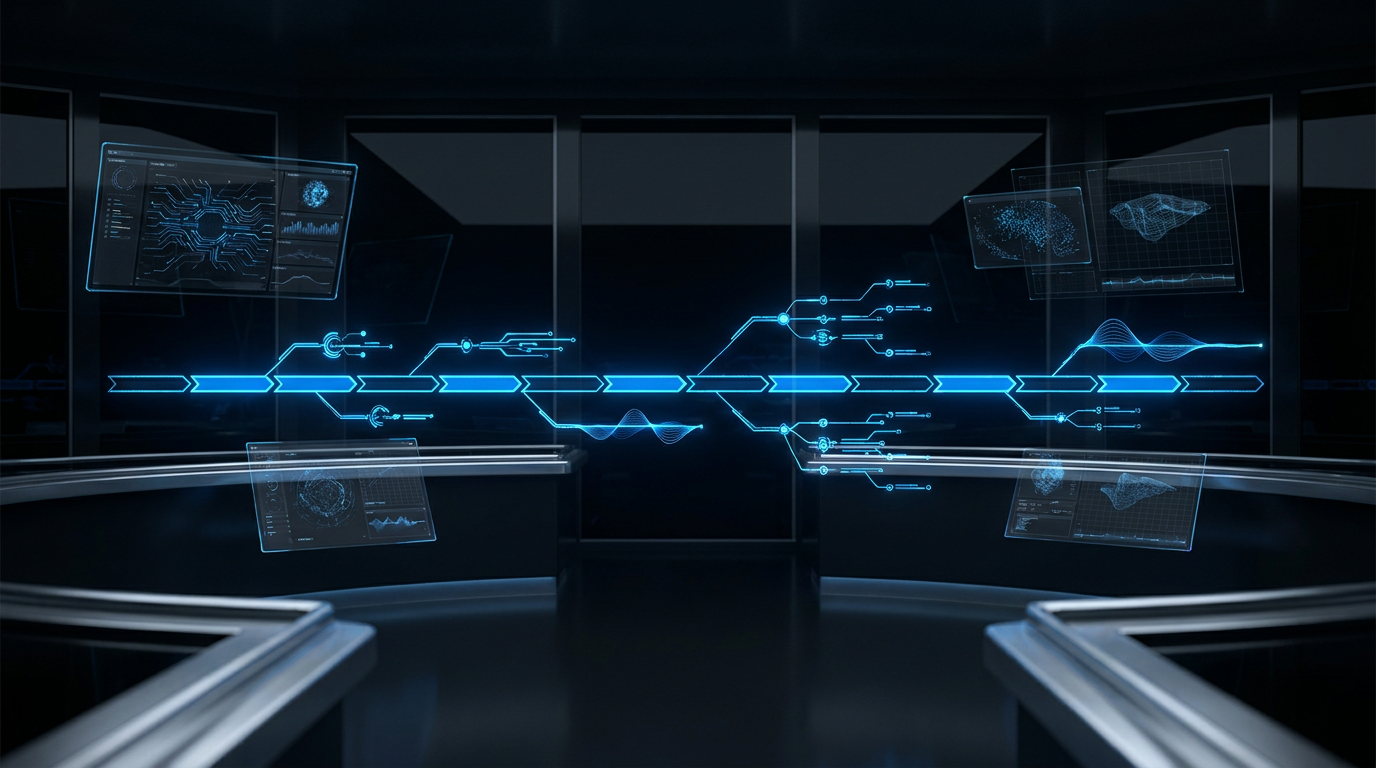
TableTop Sim gives the facilitator a live control room with an inject timeline, countdown control, response feed, private notes and pause controls. AI-improvised injects can also follow the room, subject to the capabilities of the selected plan.
5. Hold a hot wash
Immediately after the scenario, ask participants what worked, what caused uncertainty and what should change. This discussion captures observations while the reasoning behind each decision is still fresh.
The facilitator should distinguish between a plan that is missing and one that exists but is unclear, inaccessible or not followed. That distinction helps produce useful corrective actions.
6. Issue the after-action report
The report should record decisions, lessons learned, recommended alternatives and action owners with due dates. TableTop Sim generates web and branded PDF after-action reports on the day of the exercise.
Additional planning and facilitation material is available in the facilitator guides. The report should become an owned improvement plan rather than a passive record of the session.
Who should participate?
Participation depends on the decision boundary. A cyber incident often requires more than the security team, so the room may include executive, legal, communications and operational roles alongside technical responders.
TableTop Sim is designed for vCISOs working across client portfolios, MSSPs and MDR providers offering incident-response readiness, internal security teams running quarterly exercises, and consultants who want a live control room rather than a slide deck. Observers can also attend without taking an active decision-making role.
How long does an exercise take?
TableTop Sim exercises typically run for 60-120 minutes. That window is long enough to stage a developing incident, require cross-functional decisions and complete an immediate hot wash.
The exact duration depends on scope, participant count and the number of injects. Keeping the exercise to one decision boundary is usually more useful than compressing several unrelated objectives into one session.
What should the exercise produce?
A useful tabletop produces more than conversation. It should create a record of what the team decided, where plans or authority were unclear and who owns each follow-up action.
Expected outputs include:
- Decisions made during the scenario
- Lessons learned from participant responses
- Recommended alternative approaches
- Improvement actions with named owners
- Due dates for those actions
TableTop Sim connects live facilitation with same-day web and PDF reporting. Its features overview describes the control room, participant bridge, environment tailoring, live injects and reporting capabilities used across the exercise lifecycle.
Related questions
Is a cybersecurity tabletop exercise a technical test?
Not primarily. A cybersecurity tabletop exercise tests decision-making, roles, escalation, communications and coordination through a facilitated incident simulation, rather than directly testing systems through penetration or load testing.
How long does a cybersecurity tabletop exercise take?
Exercises run in TableTop Sim typically take 60-120 minutes. The appropriate duration depends on the scope, number of participants and amount of staged incident information.
Who should attend a cybersecurity tabletop exercise?
Attendance should match the exercise's decision boundary. Relevant roles may include the CEO, CISO, General Counsel, Communications Director, IT lead, technical responders and observers.
What is an inject in a tabletop exercise?
An inject is a new piece of incident information, request or complication introduced during the exercise. Facilitators use staged injects to move the scenario forward, prompt decisions and test how participants respond under pressure.
What happens after a tabletop exercise?
The facilitator should hold an immediate hot wash and document decisions, lessons learned, recommended alternatives and follow-up actions. TableTop Sim generates web and branded PDF after-action reports on the day of the exercise.
Do participants need TableTop Sim accounts?
No. Participants join a TableTop Sim exercise with a code, without creating accounts or installing software, and enter a role-specific incident bridge.
Does a cybersecurity tabletop exercise provide regulatory compliance?
No tabletop exercise or platform delivers regulatory compliance or certification on its own. An exercise can support readiness work by documenting practice, decisions, lessons and owned improvement actions.
See it in the product
Scenario library, facilitator control room and after-action reporting — all in the free trial.